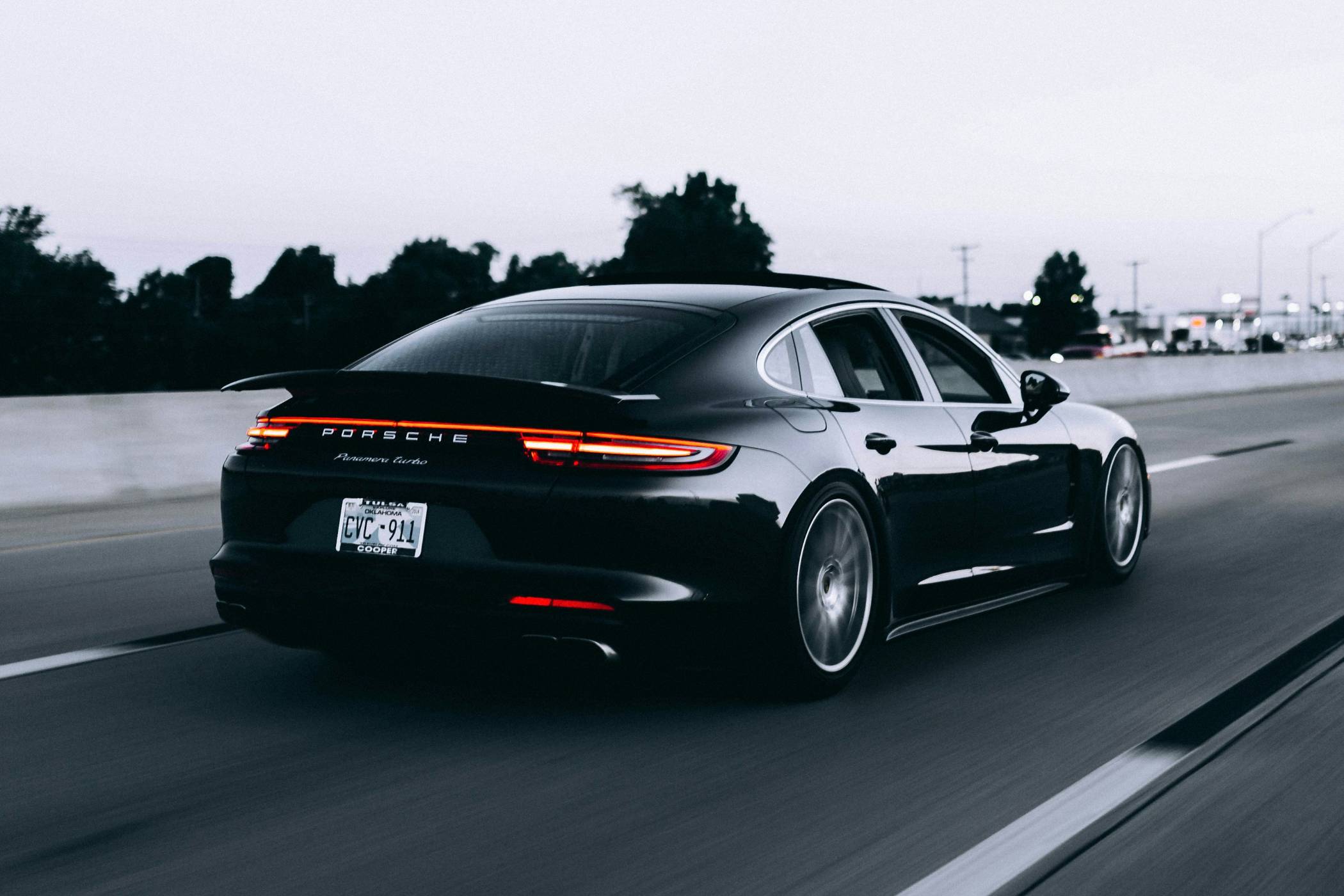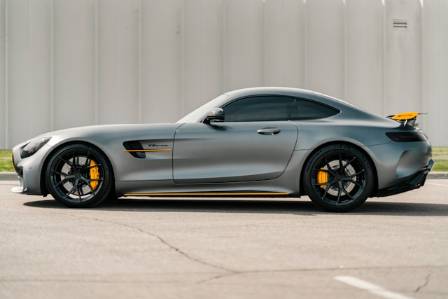
Modern exotic vehicles represent the pinnacle of automotive engineering, combining lightweight carbon fiber, meticulously crafted interiors, and engines capable of delivering over 500 horsepower. These machines are the result of immense financial investment and rigorous research aimed at shattering records and winning races. Beyond their aesthetic appeal, the true nature of a supercar is best understood through the visceral experience of its performance, from the aggressive sound of the exhaust to the rapid acceleration that defines the genre.
The Engineering Evolution of Ferrari
The Ferrari 488 GTB, which debuted in 2016 as the successor to the 458 Italia, marked a significant shift in the manufacturer’s approach by introducing a twin-turbocharged V8 powerplant. This engine produces nearly 100 more horsepower than its predecessor and represents Ferrari’s first mid-engine turbocharged supercar since the iconic F40. Its aerodynamic profile is heavily influenced by Formula 1 technology, resulting in a 50% increase in downforce and a significant reduction in drag compared to the model it replaced.
Its predecessor, the 458 Italia, remains a benchmark for precision and balance. Developed with direct input from legendary driver Michael Schumacher, the 458 served as a pioneer for active aerodynamic technology. Features like its deformable winglets laid the groundwork for the adaptive systems found in many of today’s most advanced road cars.
Lamborghini’s Technological Leap
With the introduction of the Huracán LP610-4, Lamborghini moved beyond raw straight-line speed to create a vehicle with genuine track composure. A key factor in this transition was the implementation of the brand’s first Dual-Clutch Transmission (DCT), providing the sharp and intelligent shifting required for competitive circuit driving. Furthermore, the Huracán features magnetically controlled dampers filled with a specialized fluid that adjusts the suspension feel in milliseconds, ensuring maximum traction through all four wheels.
Precision Performance from Porsche and McLaren
The Porsche 911 GT3 is widely regarded as a specialized instrument for the track. Despite its compact six-cylinder configuration, its performance is extraordinary. The Porsche Doppelkupplung (PDK) gearbox is capable of executing gear changes in just one-hundredth of a second. Additionally, the GT3 utilizes rear-axle steering, a sophisticated system that allows for tighter maneuvers at low speeds and enhanced stability during high-speed cornering.
McLaren’s 570S was engineered to challenge the established leaders of the industry. It is built around a carbon-fiber MonoCell tub that weighs only 165 pounds. The car's distinctive bodywork, including its "flying rear buttresses," is functionally designed to channel air into cooling ducts while providing an additional 17 pounds of downforce, contributing to its reputation as a premier performance vehicle.
The Power of Nissan and American Muscle
The Nissan GT-R, often referred to as "Godzilla," continues to defy conventional automotive limits through specialized engineering. It holds the Guinness World Record for the fastest acceleration from 0 to 60 mph by a four-seater production vehicle. Each GT-R engine is hand-assembled by a single master technician, who places a personalized plaque on the unit to certify its quality and craftsmanship.
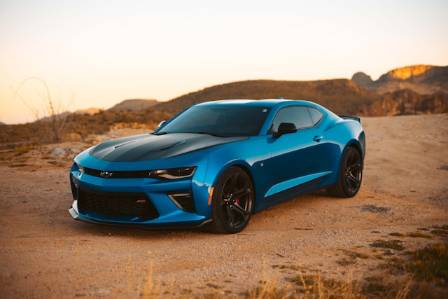
Representing the peak of American muscle, the Dodge Hellcat Widebody offers immense power and a nostalgic aesthetic. Its supercharged V8 engine generates 707 horsepower, making it the most powerful vehicle in many high-performance fleets. To manage its extreme torque and weight, the Widebody features a "square" tire setup, utilizing 305mm tires on all four corners to maximize mechanical grip during cornering.
Overview of a Premier Exotic Collection
Maintaining a fleet of these vehicles requires a significant investment, often exceeding two million dollars in total value. Collectively, a professional exotic fleet can possess over 5,000 horsepower, representing the most award-winning and respected automotive brands in the world. These vehicles are meticulously prepared for the track to ensure that every driver experiences the unique characteristics and peak performance capabilities that only a true supercar can provide.