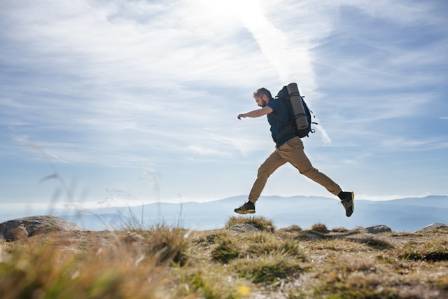
Mountains like Mount Everest, the Himalayas, and Kilimanjaro have always captivated adventurers, but you don’t need to be an elite athlete to enjoy the rewards of climbing them. Beyond the breathtaking views, mountain climbing offers significant physical, mental, and emotional benefits. From boosting your overall health to helping you become more mentally resilient, this activity has something to offer nearly everyone, regardless of experience. Here are eight compelling ways mountain climbing can have a lasting positive impact on your life.
1. Full-Body Physical Conditioning
Climbing engages your entire body, targeting various muscle groups through aerobic and strength-based movements. This type of exercise not only supports cardiovascular health but also helps lower blood pressure and regulate blood sugar levels. Carrying gear, hiking steep inclines, and navigating uneven terrain strengthens bones, tones muscles, and boosts metabolism. Over time, this helps improve endurance, coordination, and even sleep quality.
2. Natural Stress Relief
Spending time on a mountain draws your attention away from daily stressors and immerses you in the present moment. The mental focus required for climbing—combined with the calming effects of nature—reduces anxiety and promotes a sense of inner calm. Physical exertion also stimulates the release of endorphins, which elevate mood and contribute to better sleep and higher energy levels.
3. Building Persistence
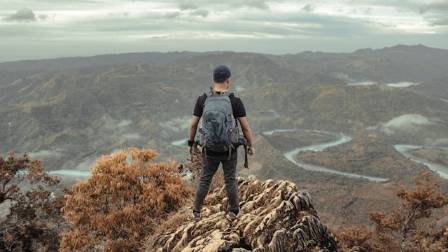
Mountaineering requires steady progress, often in the face of fatigue and discomfort. This teaches you to break large goals into smaller, manageable steps—an approach that’s useful beyond climbing, whether in work or personal life. Physical activity like climbing also improves cognitive function by supporting brain health and memory retention, making it easier to stay focused and motivated in everyday tasks.
4. Improved Confidence
Reaching the summit of a challenging climb provides a powerful sense of achievement. Overcoming obstacles like fear, exhaustion, or tough weather conditions helps foster emotional resilience and a strong sense of self-belief. These wins—both large and small—translate into a more confident outlook on life’s other challenges.
5. Greater Flexibility and Balance
Climbing improves joint mobility and muscle elasticity, which enhances overall flexibility. This reduces the risk of injury and supports better posture and stability. A flexible body also recovers faster and performs more efficiently in other physical activities.
6. Deepening Your Connection with Nature
Climbers are exposed to some of the most pristine natural environments on Earth. This connection to the outdoors offers proven benefits, such as reduced depression risk, improved attention span, and enhanced mood. The clean air, scenic landscapes, and wildlife encounters enrich your experience and support long-term mental health.
7. Social Engagement
Mountain climbing often involves teamwork, which fosters trust and camaraderie. Whether you're climbing with friends or joining a new group, the shared challenge helps create lasting bonds. Being part of a community that encourages and supports each other makes the experience more enjoyable and helps you stay committed to your goals.
8. Boosted Stamina and Endurance
Few beginners reach a summit on their first attempt—but that’s part of the process. With regular climbing, your stamina improves significantly. Each climb builds strength, increases lung capacity, and enhances both mental and physical endurance, allowing you to take on greater challenges over time.
Conclusion
Mountain climbing is more than just a recreational activity—it’s a transformative experience. From physical fitness to mental resilience and emotional strength, the benefits extend into every area of life. Whether you're aiming to summit the Matterhorn or simply want a healthier lifestyle, climbing offers a powerful path toward personal growth and well-being.