The vibrant spectrum of Thai traditional clothing serves as a profound window into the nation's historical soul and artistic legacy. For travelers exploring the kingdom, understanding the nuances of these garments—from their complex weaves to their cultural symbolism—offers a more intimate connection to the local way of life. These outfits are far more than mere historical relics; they are living expressions of Thai identity that continue to grace modern ceremonies and festivals.
Defining the Essence of Chut Thai
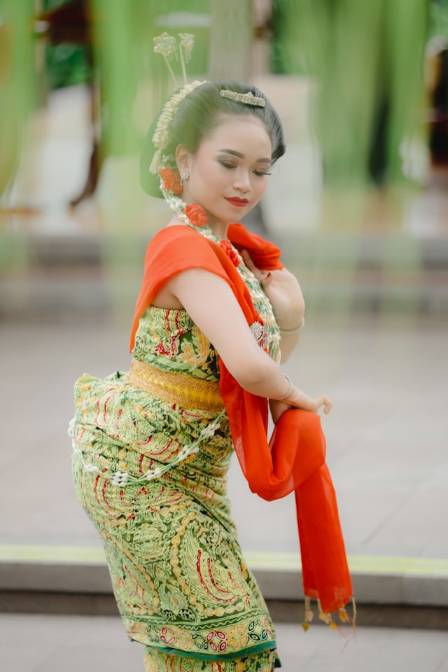
Traditional Thai dress, collectively referred to as "Chut Thai," represents a sophisticated fusion of indigenous craftsmanship and regional history. These garments are designed for all ages and genders, preserved through centuries as a mark of national pride. The specific style of Chut Thai often shifts according to geography; for instance, northern regions are known for the Lanna aesthetic featuring colorful tube skirts known as "pha sin," while southern styles reflect a blend of maritime influences from neighboring Malaysia and Indonesia.
While men generally adhere to a single formal national standard, women have a diverse repertoire of eight distinct styles. Each variation is tailored for specific levels of formality, ranging from royal galas to casual daily gatherings. Understanding these categories helps visitors appreciate the visual language of Thai social etiquette.
Varieties of Traditional Outfits for Men and Women
Men’s formal attire is centered on the "Suea Phraratchathan," a meticulously tailored shirt with a standing collar. Often crafted from high-quality silk, it is typically paired with trousers or the "chong kraben," a wrap-around cloth tucked between the legs. This ensemble is the standard for weddings and official state functions.
Women’s styles are more varied, with each design possessing a unique silhouette. The "Chakkri" is perhaps the most iconic, featuring a "sabai" or elegant shoulder sash draped over one side, paired with a pleated front skirt. For the most prestigious royal banquets, the "Chakkraphat" (meaning "emperor") is used, characterized by its heavily embroidered fabrics and layered shawls. More practical versions include the "Ruean Ton," a collarless blouse with elbow-length sleeves designed for informal gatherings, and the "Chitlada," a long-sleeved silk set used for daytime ceremonies.
Guidelines for Visitors Wearing Traditional Clothing
International travelers are warmly encouraged to wear traditional Thai attire during their visit. Engaging with "Chut Thai" is considered a respectful and immersive way to appreciate the local culture. Many of the country's most famous historical landmarks, such as the Grand Palace and Wat Arun in Bangkok or the ancient ruins of Ayutthaya and Chiang Mai, offer rental services.
Stepping into these garments allows visitors to feel a kinship with the elegance of ancient Thai eras. To ensure a memorable experience, many sites provide professional photography services, allowing guests to capture high-quality images against the backdrop of Thailand’s most stunning architectural wonders.
Immersive Ways to Explore Thailand's Textile Heritage
To gain a deeper appreciation for the artistry behind the clothing, a visit to the Queen Sirikit Museum of Textiles in Bangkok is essential. Located within the Grand Palace grounds, it showcases a stunning collection of royal garments and explains the complex weaving techniques used to create Thai silk. This institution is dedicated to the preservation of these crafts and offers insight into the queen's role in revitalizing the local silk industry.
Beyond museums, travelers can visit heritage villages and local markets like the Phahurat Textile Market to see weavers in action. Many silk farms in Bangkok and Chiang Mai also host hands-on workshops. These classes teach the traditional methods of dyeing and weaving, providing a tactile understanding of how a simple thread is transformed into a masterpiece of Thai fashion.
Recommended Locations for Purchasing Authentic Attire
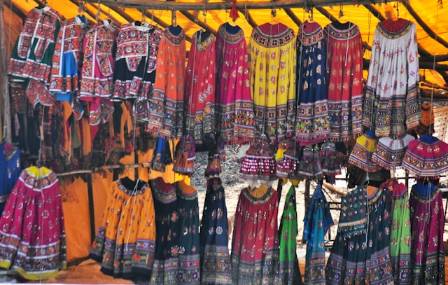
For those looking to bring a piece of Thai culture home, several markets and shops specialize in traditional textiles. The Chatuchak Weekend Market in Bangkok is a vast resource for various designs, while the Phahurat Textile Market is the go-to destination for high-quality fabrics and custom tailoring. If time allows, visiting a local tailor is the best way to ensure a perfect fit tailored specifically to your measurements.
For a more curated experience, government-sponsored shops like Narai Phand offer a wide array of authentic handicrafts and premium silks sourced from villages across the country. Purchasing from these outlets ensures that you are supporting local artisans and acquiring a genuine piece of Thailand’s rich cultural tapestry.