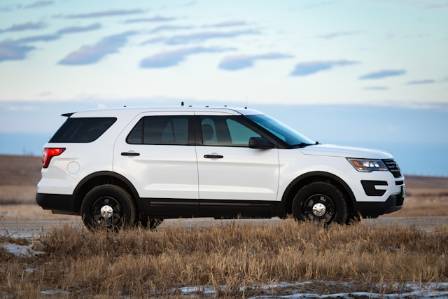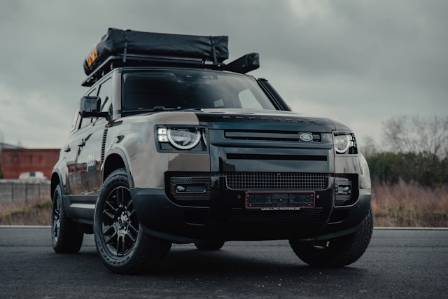
Choosing the right SUV often begins with an attractive exterior or a tempting financial incentive, but long-term satisfaction depends on matching the vehicle's engineering to your daily lifestyle. Many buyers mistakenly purchase heavy-duty, truck-based models designed for extreme terrain when their actual needs are centered on commuting and family transport. To avoid this pitfall, it is essential to distinguish between car-based SUVs, which utilize unibody construction for a smooth highway experience, and truck-based utility vehicles, which feature body-on-frame designs optimized for towing and rugged off-road adventures.
Critical Safety and Stability Technologies
Safety should be the primary consideration when evaluating a modern utility vehicle. Side curtain airbags are a vital feature, as they provide essential head protection during side-impact collisions and rollovers—scenarios where standard seat-mounted airbags only shield the torso. Additionally, Electronic Stability Control (ESC) is indispensable for managing large vehicles. By monitoring steering input and wheel speed, ESC can automatically apply brakes or reduce engine power to prevent a loss of control, ensuring these substantial machines remain stable on the road.
Interior Versatility and Convenience Features
Modern SUV designs prioritize passenger accommodation and ease of use. Third-row seating has become a standard expectation even in mid-size models, providing the flexibility to carry extra passengers or increasing total cargo capacity when the seats are stowed. For larger vehicles, a power-operated rear liftgate is a significant convenience, allowing for effortless access when your hands are full. Furthermore, to ensure comfort for all occupants, look for dedicated rear climate control vents, preferably integrated into the ceiling, to distribute air efficiently throughout the cabin.
Engineering for Comfort and Capability
The underlying mechanical structure of the vehicle dictates its handling characteristics. If your driving is mostly restricted to paved roads, a unibody construction and independent rear suspension are preferable. These designs offer a stiffer, more refined ride similar to a sedan. Conversely, those requiring maximum towing power or off-road durability should seek out a live rear axle and high ground clearance. For such rugged applications, integrated handgrips and sturdy step bumpers become essential tools for entering and exiting a high-clearance cabin.
Traction and Towing Requirements
Traction systems vary significantly based on intended use. All-wheel drive is a valuable asset for city and highway driving, providing automatic power distribution to all wheels when slippery conditions are detected. However, if your requirements include hauling heavy trailers or large boats, the robust frame of a truck-based SUV is usually necessary. While some car-based crossovers can handle light loads, heavy-duty towing remains the domain of traditional body-on-frame utility vehicles. By aligning these technical specifications with your specific driving needs, you ensure a purchase that remains functional and enjoyable for years to come.