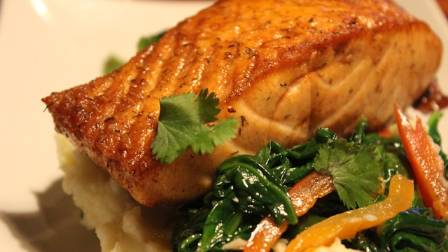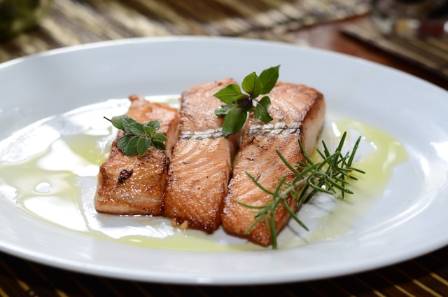
Pan-seared salmon is a perfect example of how a simple cooking method can create something truly refined. When done well, it turns an ordinary fillet into a restaurant-quality dish with crisp skin and tender, flaky flesh.
While the core technique stays consistent, there are countless ways to adjust flavors and styles. This guide breaks down different ways to prepare pan-seared salmon, helping you move beyond the basics and explore a wide range of delicious variations.
Getting the Fundamentals Right
Before experimenting with flavors, it’s important to master the essential searing technique.
Fish selection: Choose a fresh, high-quality salmon fillet, ideally with the skin left on. Dry the skin thoroughly using paper towels—this step is key for crisp results. Lightly season the flesh side with salt and pepper.
Pan choice: A cast iron pan or heavy stainless-steel skillet works best for even heat distribution.
Oil selection: Use oils that tolerate high heat, such as avocado oil, grapeseed oil, or refined coconut oil.
Heat level: The pan should be fully preheated before adding the fish. A drop of water should sizzle instantly.
Searing process: Place the salmon skin-side down and gently press to ensure full contact with the pan. Cook for 6–8 minutes until the skin becomes crisp and golden.
Flipping: Turn the fillet and cook for another 2–4 minutes, depending on thickness. The internal temperature should reach about 145°F (63°C).
Resting period: Let the salmon sit for a few minutes before serving so the juices settle and the texture stays moist and tender.
Lemon and Herb Style
This version highlights freshness and brightness.
Add butter to the pan along with herbs like rosemary or thyme and a slice of lemon while cooking. As the butter melts, spoon it over the salmon to infuse it with aromatic flavor. A final squeeze of lemon juice before serving enhances the freshness.
This preparation pairs well with salads, roasted vegetables, or light grain dishes.
Sweet and Savory Asian-Inspired Glaze
For deeper, bolder flavor, use a glaze made from soy sauce, garlic, ginger, mirin, and a touch of honey or brown sugar.
Brush the mixture onto the salmon near the end of cooking so it caramelizes into a glossy coating. Finish with sesame seeds and green onions for extra aroma and texture.
Serve with steamed rice or stir-fried vegetables.
Spicy Blackened Version
This method creates a smoky, bold crust.
Coat the salmon with a spice mix including paprika, cayenne, garlic powder, onion powder, oregano, and thyme. Sear in a very hot cast iron pan until the surface becomes dark and crisp.
Be sure to ventilate the kitchen, as the high heat produces smoke. Pair with cooling sauces like avocado cream or fruity salsa to balance the heat.
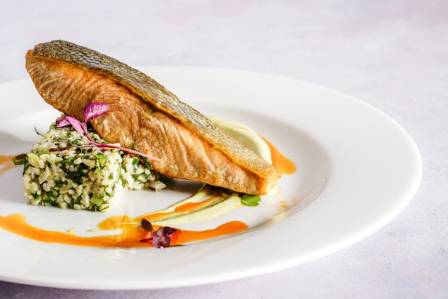
Mediterranean-Style Salmon
This variation brings bright, savory flavors together.
Sauté garlic and red onion in olive oil, then add sun-dried tomatoes, olives, and chili flakes. Deglaze with a splash of white wine and let it reduce slightly. Spoon the mixture over the salmon and finish with crumbled feta cheese.
It works beautifully with couscous or a fresh green salad.
Creamy Dill Sauce Finish
A smooth dill sauce adds richness and elegance.
After cooking the salmon, sauté shallots in butter, then add white wine and reduce. Stir in cream, fresh dill, and lemon juice. Season lightly and pour over the fish.
This version pairs well with asparagus or roasted potatoes.
Brown Butter and Sage Style
This rich variation is nutty and aromatic.
Brown butter in a pan until it develops a toasted aroma, then add sage leaves until crisp. Spoon the sauce over the salmon and top with toasted nuts for added texture.
Serve with creamy risotto or soft gnocchi.
Salsa Verde Topping
For something fresh and herb-forward, top the salmon with salsa verde made from parsley, garlic, capers, olive oil, and vinegar.
Simply blend or finely chop the ingredients and drizzle over the cooked fish. This style works especially well with grilled vegetables or light salads.
Final Thoughts
Pan-seared salmon offers endless possibilities. Once you understand the basic technique, you can explore a wide range of flavor profiles—from bright citrus and herbs to bold spices or creamy sauces. Each variation brings its own personality, turning a simple fillet into something special and memorable.
Common Questions
How do I keep salmon from sticking?
Make sure the pan is hot, use enough oil, and dry the skin thoroughly. Avoid moving the fish too early so a crust can form.
How do I know it’s done?
Use a thermometer (about 145°F/63°C) or check if the fish flakes easily and looks opaque.
Can I use frozen salmon?
Yes, but thaw it completely and dry it well before cooking.
What sides go well with it?
Vegetables, rice, potatoes, salads, pasta, and grains all pair nicely depending on the flavor style.
How long does it last in the fridge?
Stored properly in an airtight container, cooked salmon keeps for 3–4 days.