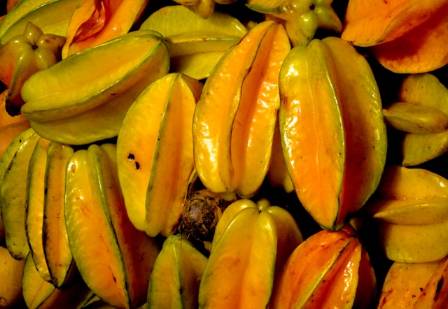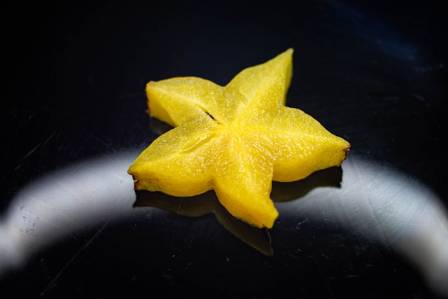
The star fruit, or carambola, is a visually striking tropical treat distinguished by its unique structural ridges. When sliced crosswise, these ridges form the perfect shape of a five-pointed star, earning the fruit its popular name. Beyond its interesting appearance, this fruit is a powerhouse of productivity; a single mature tree can yield between 200 and 400 pounds of produce annually. Whether eaten fresh or used as a decorative garnish, the star fruit offers a blend of exotic flair and significant biological interest.
Botanical Origin and Growth Patterns
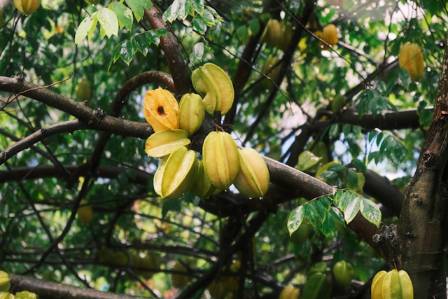
Scientifically known as Averrhoa carambola, the star fruit tree is native to the tropical climates of Sri Lanka and Southeast Asia. Today, it thrives across various equatorial regions, including the Caribbean, Micronesia, and the South Pacific. The tree itself possesses a bush-like silhouette, characterized by a stout trunk and a canopy that often extends as wide as the tree is tall.
Typically reaching heights of up to 30 feet, these trees begin their fruit-bearing cycle approximately three to four years after planting. In their natural habitat, they can remain productive for about four decades. The fruit changes from a vibrant green to a bright, waxy yellow as it ripens, signaling that it is ready for harvest.
Medicinal Traditions and Nutritional Profile
For centuries, star fruit has been utilized in Traditional Chinese Medicine and Ayurvedic practices. It is historically valued for its ability to reduce water retention and is often administered to alleviate symptoms of coughs, fevers, and various skin conditions. Parts of the tree beyond the fruit, such as the roots and leaves, have been used in traditional remedies for headaches and infections like chickenpox. Modern interest also focuses on its high antioxidant content, which may play a role in supporting cardiovascular health.
Nutritiously, the star fruit is exceptionally dense while remaining low in calories. A standard medium-sized fruit contains only about 30 calories but provides a significant amount of fiber, protein, and vitamin C. It also contains an array of B vitamins and essential minerals, including potassium, magnesium, phosphorus, and iron. This makes it a popular choice for those seeking nutrient-rich additions to a healthy diet.
Critical Health Warnings and Medication Risks
Despite its benefits, star fruit carries significant risks for specific individuals, particularly those with impaired kidney function. The fruit contains high levels of oxalic acid, which can contribute to the formation of kidney stones. More importantly, it harbors a potent neurotoxin that healthy kidneys can easily filter out, but which can accumulate to dangerous levels in people with renal disease. Consuming even a small amount of star fruit juice can lead to "star fruit poisoning" for those with kidney issues, manifesting as seizures, confusion, or even fatal complications.
Additionally, the star fruit can interfere with various medications. Similar to grapefruit, it affects the CYP3A4 enzyme, which is responsible for metabolizing many pharmaceutical drugs. Consuming the fruit while on medication can disrupt how the body processes the treatment, leading to unpredictable and potentially harmful side effects. It is generally advised to consult with a healthcare professional before including star fruit in your diet if you are taking prescription drugs.
Culinary Varieties and Global Usage
In the culinary world, star fruit is categorized into two primary types: sweet and tart. The tart varieties are frequently used as a souring agent in savory Asian dishes, such as stews, curries, and seafood preparations. These fruits provide a zesty contrast to rich or spicy flavors.
The sweet variety is more commonly found in Western markets and is typically enjoyed raw. Its crisp texture makes it a popular addition to fruit salads, while its juice is frequently utilized in tropical cocktails and refreshing beverages. Furthermore, the high pectin content of the fruit allows it to be processed into jellies, preserves, and various sweet desserts, showcasing its remarkable versatility in the kitchen.