With its commanding presence and unmistakable silhouette, the American Herring Gull is a familiar sight across North American shores and inland waterways. Often mistaken for other gulls, this species stands apart with a mix of sheer size, subtle plumage shifts, and highly adaptive behavior.
Built for the Skies and Shores
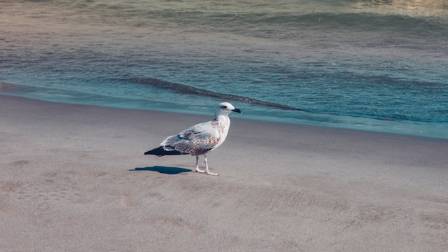
Broad-bodied and barrel-chested, the American Herring Gull has a powerful build. It’s notably larger than the Ring-billed Gull, but doesn’t quite match the hefty frame of the Western or Great Black-backed Gull. When airborne, its wide wings and solid form give it a confident, deliberate flight style.
Size Range:
-
Length: 22 to 26 inches (56–66 cm)
-
Weight: 28 to 44 ounces (800–1250 g) This bird's proportions fall between a crow and a goose, making it one of the more substantial gulls seen around North America.
Shifting Shades Through the Years
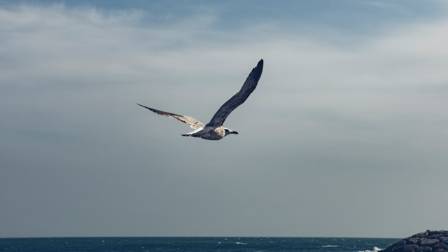
Fully grown adults wear a sleek combination of soft gray on the back, crisp white on the head and underside, and jet-black wing tips. Winter introduces faint brownish streaks on the head, giving a slightly smudged look.
Juveniles, on the other hand, wear a completely different coat—mottled brown with a rugged, streaky appearance. As they mature, their plumage gradually lightens:
-
Second-year birds start showing gray across the back
-
Third-year gulls reveal more white on the face and belly
-
Pinkish legs are seen across all life stages, dull and understated but distinctive
Scavengers of Sea and City
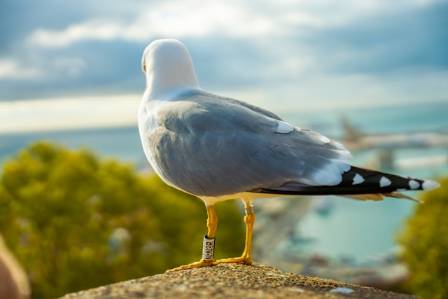
These gulls are opportunistic feeders, often spotted gliding over waves or pacing along the shore in search of scraps. They're quick to cluster around fishing boats or landfill sites, where they assert themselves with loud calls and bold moves. With a sharp eye for leftovers, they won’t hesitate to swipe food from less wary birds.
Whether resting near harbors, pacing on piers, or circling over fish-rich waters, the American Herring Gull makes its presence known—loud, assertive, and always alert.
Where Land Meets Water
In colder months, they are a common feature along seacoasts, large lakes, reservoirs, and rivers. Their adaptability shines through in their feeding grounds—from open seas and tidal flats to farmlands and urban waste sites.
During the warmer season, these gulls are often seen nesting along the Atlantic coastline, the edges of the Great Lakes, and remote stretches of Alaska’s shore. Breeding grounds stretch far inland too, especially across Canada’s expansive boreal forests.
The American Herring Gull is more than just a seagull—it's a versatile survivor, a keen forager, and a dynamic part of the coastal ecosystem. Whether glimpsed wheeling above crashing waves or strutting along a lakeside dock, it embodies the rugged elegance of the North American shoreline.