A scarf is far more than a practical layer for chilly days; it is a storied accessory that conveys personal style, heritage, and cultural depth. Throughout history, this versatile garment has transitioned from a functional piece used by soldiers for protection to a prestigious adornment worn by nobility. Today, it remains a cornerstone of the modern gentleman’s wardrobe, representing a flawless marriage of utility and high fashion.
Because the scarf has adapted to every era, it offers a unique ability to bridge the gap between aesthetics and necessity. Whether it is chosen for a formal occasion or a casual outing, the right scarf can elevate a basic look into a sophisticated ensemble. It acts as a signature piece, allowing the wearer to project their character through careful selection of texture and design.
Mastering a Stylish Presentation
Many people mistakenly view the scarf as a seasonal afterthought, but it is actually a defining element of men’s fashion. When selected with intentionality, it serves to highlight the wearer's personality and refine the overall silhouette. The specific patterns, craftsmanship, and yarn quality dictate how effectively the accessory can transform a simple outfit.
Choosing a scarf is a vital decision that dictates the final impact of your appearance. By experimenting with how it is worn and paired, you can express your individual taste and discover fresh stylistic combinations. It is the perfect medium for narrating a story of elegance without saying a word.
Selecting the Ideal Color Palette
While picking a color may seem like a minor detail, it is a critical factor in how the accessory interacts with your entire wardrobe. While there are no rigid laws governing color selection, maintaining a sense of balance is key to avoiding clashing or overly eccentric results.
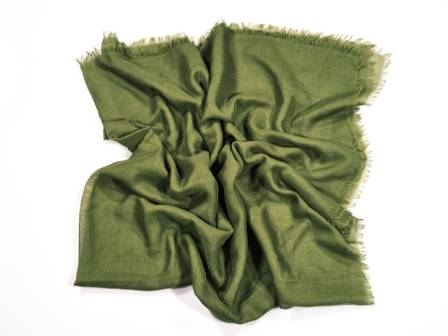
Neutral tones such as navy, slate grey, and sand are incredibly versatile, blending easily with almost any clothing style. For those seeking a more spirited appearance, vibrant hues like deep red or forest green can breathe life into a muted outfit. The most effective approach is to consider which shades complement your skin tone and suit the specific setting where the scarf will be worn. Aim for a harmonious look that avoids jarring contrasts.

Balancing Patterns and Prints
Integrating patterns into your look provides an excellent opportunity to showcase your specific interests and flair. The guiding principle for mixing prints is equilibrium; a bold or intricate scarf should remain the centerpiece of the look. To achieve this, pair patterned accessories with understated, solid-colored garments to avoid visual clutter.
The diversity of available designs allows for a broad range of expression. You might choose a sporty motif to celebrate a personal passion, a nature-inspired animal print, or a classic floral design. Whether opting for a piece from a historical archive or a modern geometric print, the goal is to find a design that resonates with your personal sense of class and tradition.
Determining the Best Fabric for the Occasion
The material of a scarf defines its tone and determines how well it suits the current climate. Choosing the right fabric is not just about comfort; it is a reflection of the wearer's refinement and understanding of sartorial standards.
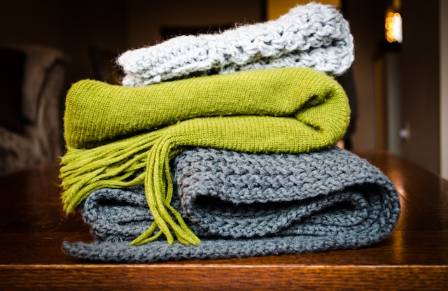
Traditional wool is a perennial favorite due to its exceptional warmth and breathability, making it the perfect shield against damp or freezing weather. For those seeking the pinnacle of luxury, cashmere offers unparalleled softness and lightweight insulation, combining comfort with high-end style. In contrast, silk is the premier choice for formal events or milder temperatures. Its natural luster and fluid drape add a layer of sophistication that perfectly complements a tailored suit or ceremonial attire.
Ultimately, a carefully matched scarf is a testament to a man's attention to detail. By harmonizing color, pattern, and fabric, you can turn a functional necessity into a powerful statement of individual style.