Traditional Korean cuisine is a rich tapestry of flavors, textures, and cultural heritage. It has been crafted over centuries, influenced by the country's geography, climate, and the unique lifestyle of its people. Each dish tells a story of Korea's past, present, and the values that are deeply ingrained in its society. From hearty stews to delicate side dishes, let's explore ten remarkable traditional Korean dishes that are beloved both in Korea and around the world.
Kimchi: The Fermented Treasure
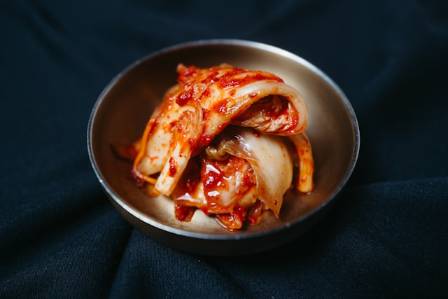
Kimchi is an iconic staple in Korean cuisine that holds a special place in every Korean household. Made primarily from fermented cabbage, it is seasoned with a blend of spices including chili powder, garlic, ginger, and fish sauce. The fermentation process not only gives it a tangy and spicy flavor but also enhances its nutritional value. It can be enjoyed on its own as a side dish, added to rice dishes like bibimbap to add a burst of flavor, or used as an ingredient in various stews. With its complex taste and probiotic properties, kimchi has become a symbol of Korean food culture worldwide.
Bibimbap: A Colorful Medley on a Plate
Bibimbap is a visually appealing and delicious dish that combines a harmonious mix of ingredients. At its base is a bed of steaming hot rice, topped with an array of colorful vegetables such as spinach, carrots, bean sprouts, and mushrooms. Slices of grilled meat, often beef or pork, are added for a protein boost. A fried egg is placed on top, and the whole ensemble is then drizzled with a savory sauce made from soy sauce, sesame oil, and other seasonings. When everything is mixed together, it creates a wonderful combination of flavors and textures that makes every bite a delight.
Bulgogi: The Sweet and Savory Grilled Delight
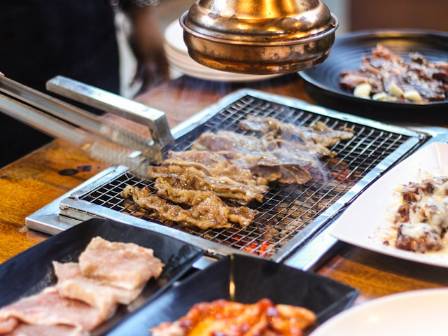
Bulgogi is a favorite among Korean barbecue enthusiasts. Thin slices of marinated beef are the star of this dish. The marinade typically consists of a mixture of soy sauce, sugar, sesame oil, garlic, and various other spices that give the beef a sweet and savory flavor profile. The marinated beef is then grilled to perfection over an open flame or on a hot grill pan. It can be enjoyed wrapped in lettuce leaves with slices of garlic, green onions, and a dollop of spicy sauce, creating a delicious and satisfying mouthful.
Samgyeopsal: The Pork Belly Sensation
Samgyeopsal is a popular Korean barbecue item that features thick slices of pork belly. The beauty of this dish lies in its simplicity. The pork belly is grilled until it becomes crispy on the outside while remaining tender and juicy on the inside. It is usually served with a side of kimchi, pickled radishes, and a dipping sauce made from salt, pepper, and sesame oil. People love to wrap the grilled pork belly in fresh lettuce leaves along with other accompaniments, making for a delicious and indulgent eating experience.
Japchae: The Noodle Extravaganza
Japchae is a dish that showcases the art of Korean noodle-making. It features sweet potato starch noodles that are cooked until they are soft yet chewy. These noodles are then stir-fried with a medley of ingredients including spinach, mushrooms, carrots, and slices of beef or pork. The dish is seasoned with soy sauce, sesame oil, and a sprinkle of sesame seeds, which gives it a rich and savory flavor. Japchae is not only a delicious main course but also a popular dish for special occasions and celebrations.
Tteokbokki: The Spicy Rice Cake Treat
Tteokbokki is a beloved street food in Korea that is known for its spicy and chewy nature. It consists of cylindrical rice cakes that are cooked in a spicy red pepper paste-based sauce. The sauce is usually made with gochujang (Korean red pepper paste), along with other ingredients like fish cake, onions, and cabbage. The result is a fiery and flavorful dish that is both addictive and satisfying. It's often enjoyed by people of all ages, whether as a quick snack on the street or as a part of a larger meal.
Doenjang Jjigae: The Hearty Soybean Paste Stew
Doenjang Jjigae is a traditional Korean stew that is both comforting and nutritious. It is made with doenjang (soybean paste), which provides a rich, savory, and slightly salty flavor. The stew typically includes ingredients like tofu, vegetables such as zucchini, onions, and potatoes, and sometimes pieces of meat like pork or seafood. All these ingredients are simmered together in a broth made from the doenjang, creating a thick and hearty stew that pairs perfectly with a bowl of steaming rice.
Sundubu Jjigae: The Spicy Tofu Stew
Sundubu Jjigae is a spicy and flavorful tofu stew that is popular for its bold taste. Soft and silky tofu is the main component, along with a spicy broth made from gochujang and other seasonings. The stew often includes ingredients like mushrooms, scallions, and sometimes seafood like shrimp or clams. It is cooked until it's bubbling hot and is typically served in a stone pot, which keeps the stew warm throughout the meal. The combination of the spicy broth and the smooth tofu makes it a unique and enjoyable dish.
Galbi: The Tender Rib Delight
Galbi is a dish that showcases the succulent and tender nature of beef ribs. The ribs are marinated in a mixture of soy sauce, garlic, ginger, sugar, and other spices to enhance their flavor. They are then grilled over an open flame until they are caramelized on the outside and fall-off-the-bone tender on the inside. Galbi is often served as a centerpiece during special gatherings and is enjoyed with a side of various banchan (side dishes) and a bowl of rice.
Gimbap: The Hand-Rolled Delight
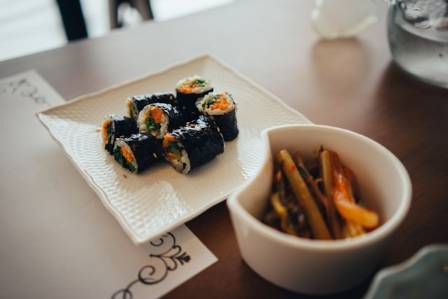
Gimbap is a convenient and delicious Korean dish that resembles sushi in some ways. It consists of cooked rice and a variety of fillings such as pickled radishes, spinach, carrots, and strips of meat or fish. All these ingredients are rolled up in sheets of seaweed, creating a compact and portable meal. Gimbap is perfect for picnics, lunchboxes, or as a quick snack. It offers a balance of flavors and textures and is a great way to enjoy the essence of Korean cuisine in a simple yet satisfying form.
Traditional Korean dishes are a testament to the country's culinary prowess and cultural depth. Each of these ten dishes has its own unique charm, flavor profile, and significance in Korean daily life and celebrations. Whether you're exploring Korean cuisine for the first time or are already a fan, these dishes are sure to leave a lasting impression and offer a delicious journey through the heart of Korea's food heritage.