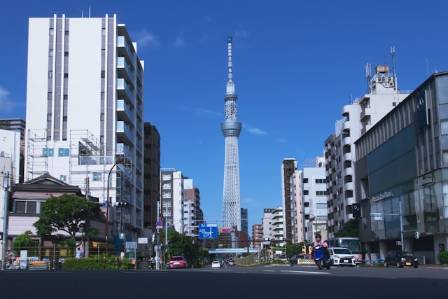
Dominating Tokyo's ever-changing skyline, Tokyo Skytree stands as a breathtaking testament to Japanese engineering and architectural brilliance. As the tallest freestanding broadcasting tower in the world, this magnificent structure has quickly become one of Japan's most iconic landmarks since its completion in 2012. Rising an impressive 634 meters above the Sumida district, the tower serves multiple functions - a broadcasting hub, observation deck, shopping complex, and cultural symbol all rolled into one stunning package that attracts millions of visitors annually.
About Tokyo Skytree
The tower's remarkable height of 634 meters wasn't arbitrarily chosen - the numbers carry special significance in Japanese. When read phonetically as "mu-sa-shi," they reference the historical name for the Tokyo region, creating a meaningful connection to local heritage. The design brilliantly merges traditional Japanese aesthetics with futuristic architecture, featuring a sleek, neo-futuristic silhouette that tapers elegantly as it rises. The base of the tower measures 68 meters wide, gradually narrowing to just 8 meters at its highest point, creating its distinctive rocket-like appearance that has become synonymous with Tokyo's modern identity.
Observation Decks Offering Breathtaking Views
Tokyo Skytree boasts two spectacular observation decks that provide visitors with unparalleled panoramic views. The primary Tembo Deck at 350 meters features floor-to-ceiling windows offering 360-degree views of Tokyo and beyond. On exceptionally clear days, visitors can see as far as Mount Fuji, approximately 100 kilometers away. For those seeking even greater heights, the Tembo Galleria at 450 meters takes the experience to another level - literally. This upper deck includes a spiral ramp with a glass floor section that gives daring visitors the thrilling sensation of walking on air. The decks are equipped with high-powered telescopes and interactive displays that help identify landmarks across the sprawling metropolis below.
Shopping and Dining at Tokyo Skytree Town
The tower's base houses Tokyo Skytree Town, a massive complex spanning multiple levels with over 300 shops and restaurants. Solamachi, the main shopping area, offers everything from traditional Japanese crafts and souvenirs to high-end fashion boutiques and cutting-edge electronics stores. Food enthusiasts can indulge in everything from authentic local cuisine at traditional restaurants to international fare at themed cafes. Many dining establishments feature excellent views of the tower itself, creating perfect photo opportunities. The complex also includes an aquarium, planetarium, and postal museum, making it a full-day destination for visitors.
Spectacular Illumination Designs
One of Tokyo Skytree's most captivating features is its stunning nighttime illumination. The tower employs advanced LED technology to create mesmerizing light displays that change with the seasons and special occasions. The standard illumination features two patterns: "Iki" (cool blue) representing the noble Edo tradition, and "Miyabi" (purple) embodying elegant beauty. During special events and holidays, the tower transforms with unique color schemes and patterns, becoming a luminous beacon visible across much of Tokyo. The lighting system is environmentally friendly, consuming about half the energy of conventional lighting methods.
Engineering Marvel and Seismic Innovation
What makes Tokyo Skytree particularly remarkable is its revolutionary earthquake-resistant design. Japan's frequent seismic activity necessitated groundbreaking engineering solutions. The tower incorporates a central shaft with a vibration control system inspired by ancient Japanese pagoda designs - the same architectural principles that have allowed five-story pagodas to withstand earthquakes for centuries. The system uses a tuned mass damper and flexible construction to absorb and dissipate seismic energy. Computer simulations confirm the tower can withstand earthquakes measuring up to 7 on the Japanese seismic scale, making it one of the safest tall structures in the world.
Cultural Significance and Historical Connections
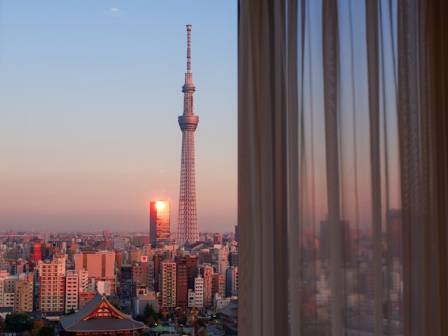
Beyond its physical presence, Tokyo Skytree serves as a powerful cultural symbol. Its design intentionally references traditional Japanese craftsmanship, with the white exterior resembling "sorin" (metal pinnacles) found on Buddhist temples. The curvature mimics the shape of a Japanese sword, while the lattice steel structure echoes traditional basket weaving techniques. The tower stands near the historic Asakusa district, creating a visual dialogue between old and new Tokyo. This thoughtful integration of cultural elements makes the tower more than just a feat of engineering - it's a celebration of Japanese heritage looking toward the future.
Accessibility and Transportation Options
Tokyo Skytree is remarkably accessible thanks to Tokyo's efficient public transportation system. The dedicated Tokyo Skytree Station on the Tobu Skytree Line provides direct access, while Oshiage Station (served by multiple subway and train lines) is just a short walk away. From central Tokyo stations like Tokyo or Shinjuku, the journey takes approximately 20 minutes. Well-marked exits and pedestrian pathways make navigation simple for international visitors. The tower's location near the Sumida River also makes it accessible by water bus, offering a scenic alternative approach.
Special Events and Seasonal Attractions
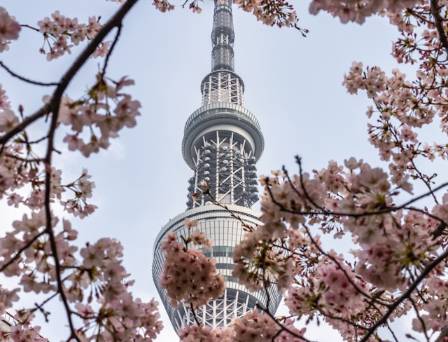
Throughout the year, Tokyo Skytree hosts an exciting array of special events that enhance the visitor experience. Seasonal illuminations mark occasions like cherry blossom season and winter holidays with unique light displays. Cultural festivals showcase traditional Japanese arts and performances at the tower's base. Limited-time collaborative events with popular anime, movies, or brands create fresh reasons for repeat visits. The tower also serves as a spectacular launch point for Tokyo's famous Sumida River fireworks festival, offering premium viewing spots for ticketed guests.
Tokyo Skytree represents far more than just another tall structure - it embodies Japan's remarkable ability to honor its past while boldly embracing the future. From its culturally significant height to its earthquake-resistant engineering inspired by ancient techniques, every aspect reflects thoughtful consideration and innovation. The tower has become an indispensable part of Tokyo's identity, offering locals and visitors alike a place to gather, celebrate, and marvel at human achievement. Whether you come for the breathtaking views, the world-class shopping, the gourmet dining, or simply to witness this modern wonder firsthand, Tokyo Skytree delivers an unforgettable experience that captures the essence of contemporary Japan. It stands not just as a landmark, but as a symbol of what's possible when tradition and technology unite in perfect harmony.