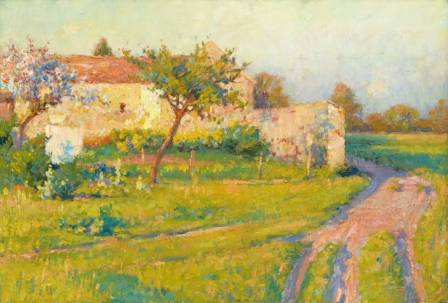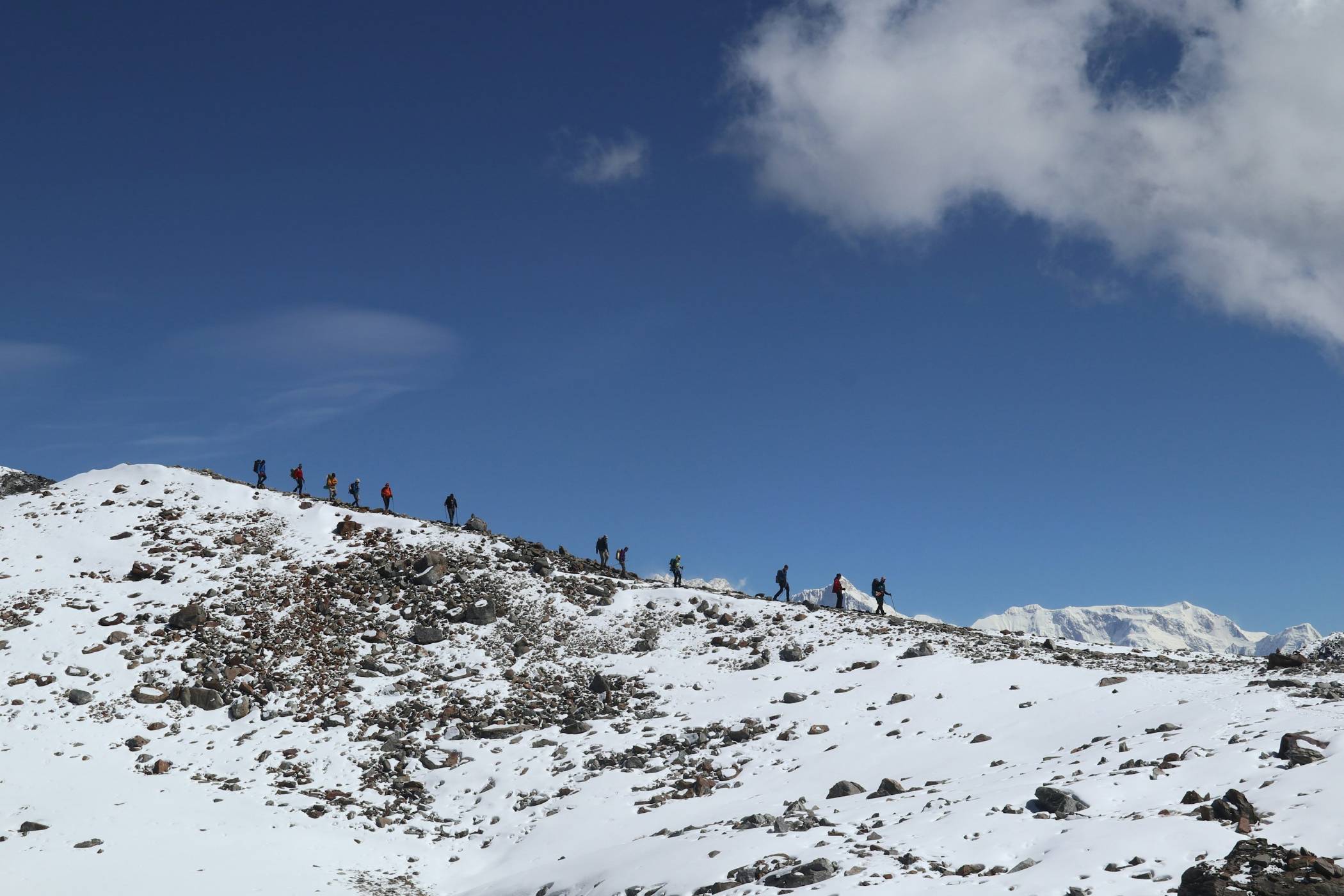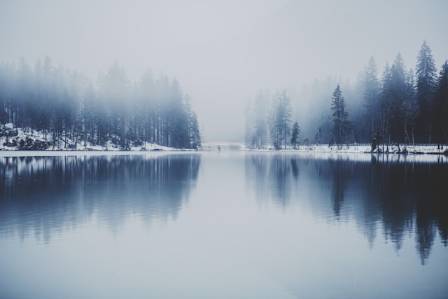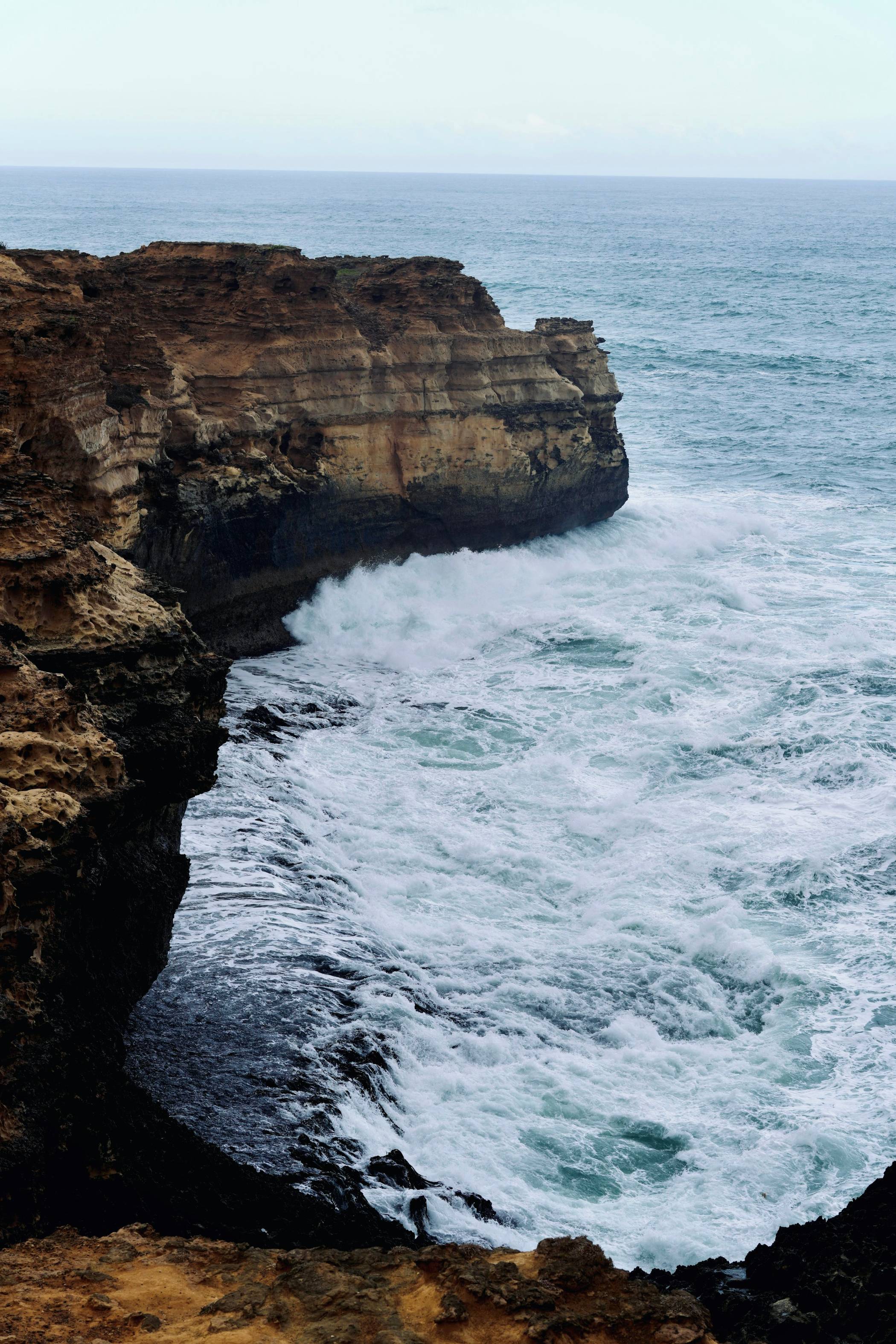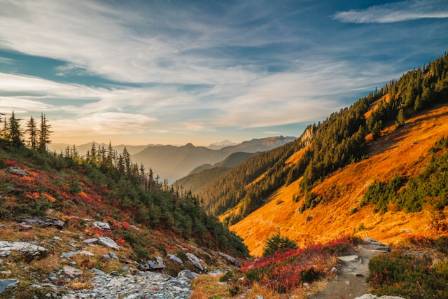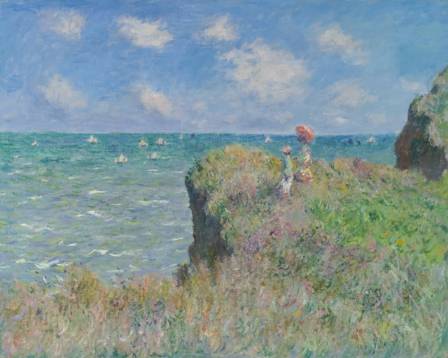
A landscape artwork—whether painted, drawn, or digitally created—centers on natural scenery. This can include mountains, forests, cliffs, rivers, valleys, trees, or any outdoor environment that inspires the artist.
If you’re looking to begin painting landscapes, this guide will provide a solid starting point.
Nature as Inspiration
The natural world is endlessly inspiring. From arid deserts to tropical jungles, from vast oceans to dramatic skies, the Earth offers artists a limitless array of visual stimuli. Over the centuries, painters have drawn inspiration from nature’s beauty and the grandeur of its varied terrains.
Artists can interpret landscapes in many ways. Some choose realism, aiming to replicate the scene as closely as possible—like in my pastel painting Fields of Gold. Others may use a landscape as a canvas for abstract or symbolic expression. For instance, Aboriginal artists from Australia produce detailed abstract works that convey spiritual or cultural meaning. Similarly, Fauvists applied bold, unconventional colors to landscapes to evoke strong emotions. Surrealists, such as Salvador Dalí, created imaginative and dreamlike landscapes that bend reality entirely.
Expanding the Scope of Landscapes
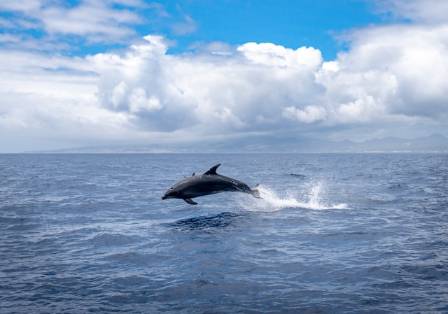
Landscape art is not confined to land alone. It can also include seascapes, cloudscapes, riverscapes, skyscapes, or cityscapes (urban landscapes). The key element in any -scape painting is that it focuses on a specific environment or view, whether real or imagined.
Plein Air vs. Studio Work
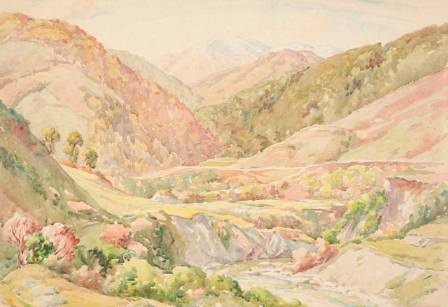
Landscapes can be painted en plein air—a French term meaning "outdoors." Painting directly in front of the scene allows the artist to immerse themselves in the environment, experiencing the colors, lighting, and atmosphere firsthand. However, working from photographs also has its advantages. A photo lets you paint in the comfort of your studio, independent of weather or daylight. You can also combine elements from multiple photographs into one composition, such as a hill from one image, a twisted tree from another, and a river flowing across the foreground.
Quick sketches are another useful approach. When hiking or traveling, a small sketchbook or watercolor pad allows you to capture fleeting scenes on the spot. Using pencils, colored pencils, or watercolor, you can record shapes, colors, and notes on lighting or details. Often, these sketches develop into fully realized works of art.
Why Paint When Cameras Exist?
In today’s digital age, anyone can capture stunning landscapes with a camera, and thousands of breathtaking images circulate online. So why bother painting?
Because painting is a uniquely human process. Unlike a camera, an artist interprets the scene with their eyes, mind, and hands. They analyze light, color, and composition, filtering reality through their perception. Artists can enhance a painting with emotional depth, select imaginative color schemes, or rearrange elements to create a more compelling scene. Landscapes can be realistic, abstract, or surreal—the only limit is the artist’s imagination.
Long before cameras existed, landscapes were celebrated as a major art form. Today, they continue to inspire both artists and viewers, capturing the beauty of the natural world and the creative possibilities within it.