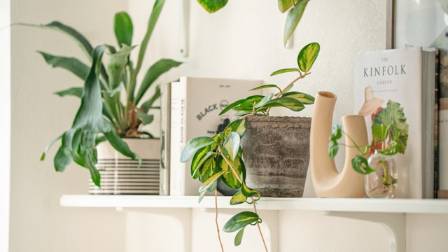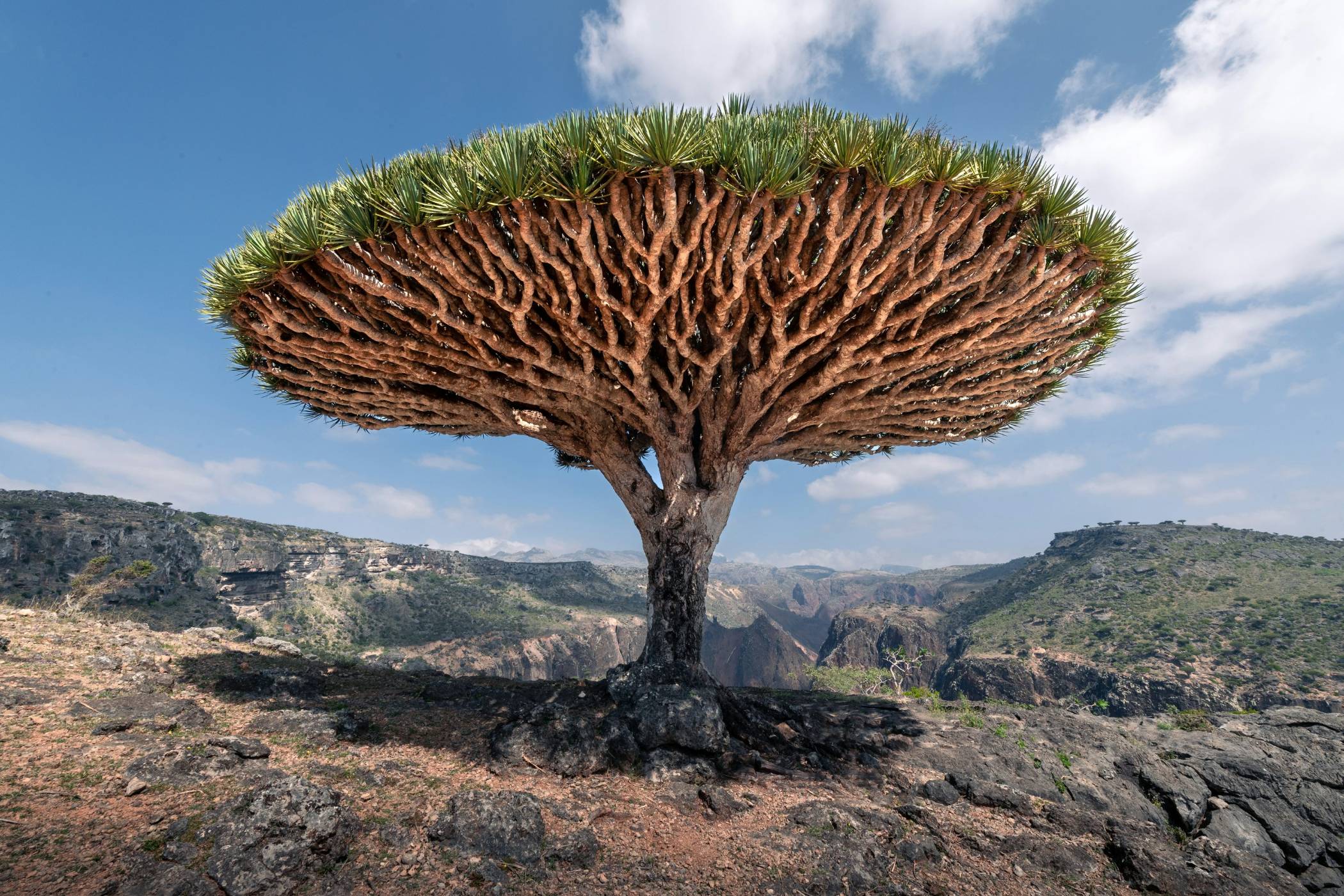
The popularity of indoor gardening has skyrocketed in recent years, evolving from a simple hobby into a significant lifestyle movement. Research indicates that approximately 87% of American households now incorporate live plants into their interior decor. This widespread adoption of "bringing the outdoors in" is driven by more than just aesthetics; it reflects a growing desire to reconnect with nature within our own living spaces. Understanding how to select the right species is essential for anyone looking to establish a thriving indoor sanctuary in Florida.
Health and Wellness Advantages of Indoor Gardening
Beyond their visual charm, interior plants serve as functional contributors to a healthier lifestyle. They act as natural air purifiers by absorbing common household toxins and releasing fresh oxygen, which significantly improves indoor air quality. Furthermore, the presence of greenery has been scientifically linked to reduced anxiety levels and enhanced mood. By integrating plants into your home or workspace, you can create a more tranquil environment that fosters focus and increases overall daily productivity.
Assessing Your Environment and Solar Exposure
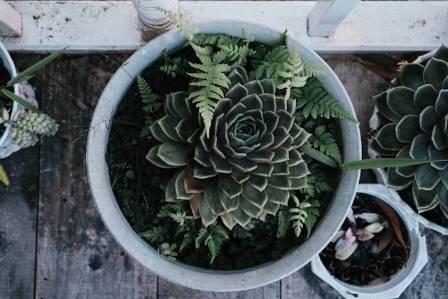
The success of your indoor garden depends heavily on matching a plant's biological needs with the specific conditions of your room. Before making a purchase, evaluate the intensity and duration of sunlight in your chosen area. For sun-drenched spaces, hardy varieties like cacti, succulents, or spider plants are excellent choices as they flourish under direct light. Conversely, if you are decorating a dim hallway or a room with limited windows, you should prioritize shade-tolerant species such as snake plants, peace lilies, or pothos, which can survive and grow with minimal natural light.
Matching Plant Selection to Maintenance Habits
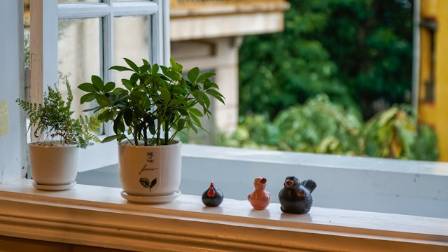
It is important to be realistic about the amount of time you can dedicate to plant care. Some species are quite demanding, requiring precise humidity levels and frequent feeding, while others are remarkably self-sufficient. For those with a hectic schedule or those who are new to horticulture, low-maintenance options like ZZ plants, aloe vera, or philodendrons are recommended. These resilient varieties are forgiving of occasional forgetfulness regarding watering, making them perfect for beginners or busy professionals.
Synchronizing Greenery with Your Lifestyle
Your personal routine should play a major role in your selection process. Consider the growth rate and space requirements of a plant to ensure it won't become an obstacle in your home. If you travel often or prefer a "set it and forget it" approach, slow-growing plants that tolerate irregular watering are the best fit. However, if you find the act of gardening therapeutic and have ample time to spare, you might enjoy faster-growing species that allow for regular pruning, repotting, and active cultivation.
Enhancing Visual Appeal Through Texture and Form
A truly captivating indoor garden utilizes a diverse mix of shapes and foliage patterns to create depth. To achieve a professional look, try combining different botanical structures. For instance, trailing vines like ivy or various ferns can add a sense of movement and softness to shelves or hanging baskets. To create a strong focal point, consider broad-leafed architectural plants such as fiddle leaf figs or rubber trees. By experimenting with various heights and textures, you can design a balanced, lush oasis that complements your interior architecture and brings a sense of peace to your daily life.